Suite 11A, Citi plaza,
No 7 Rukuba Close,
Area 11, Garki,
Abuja

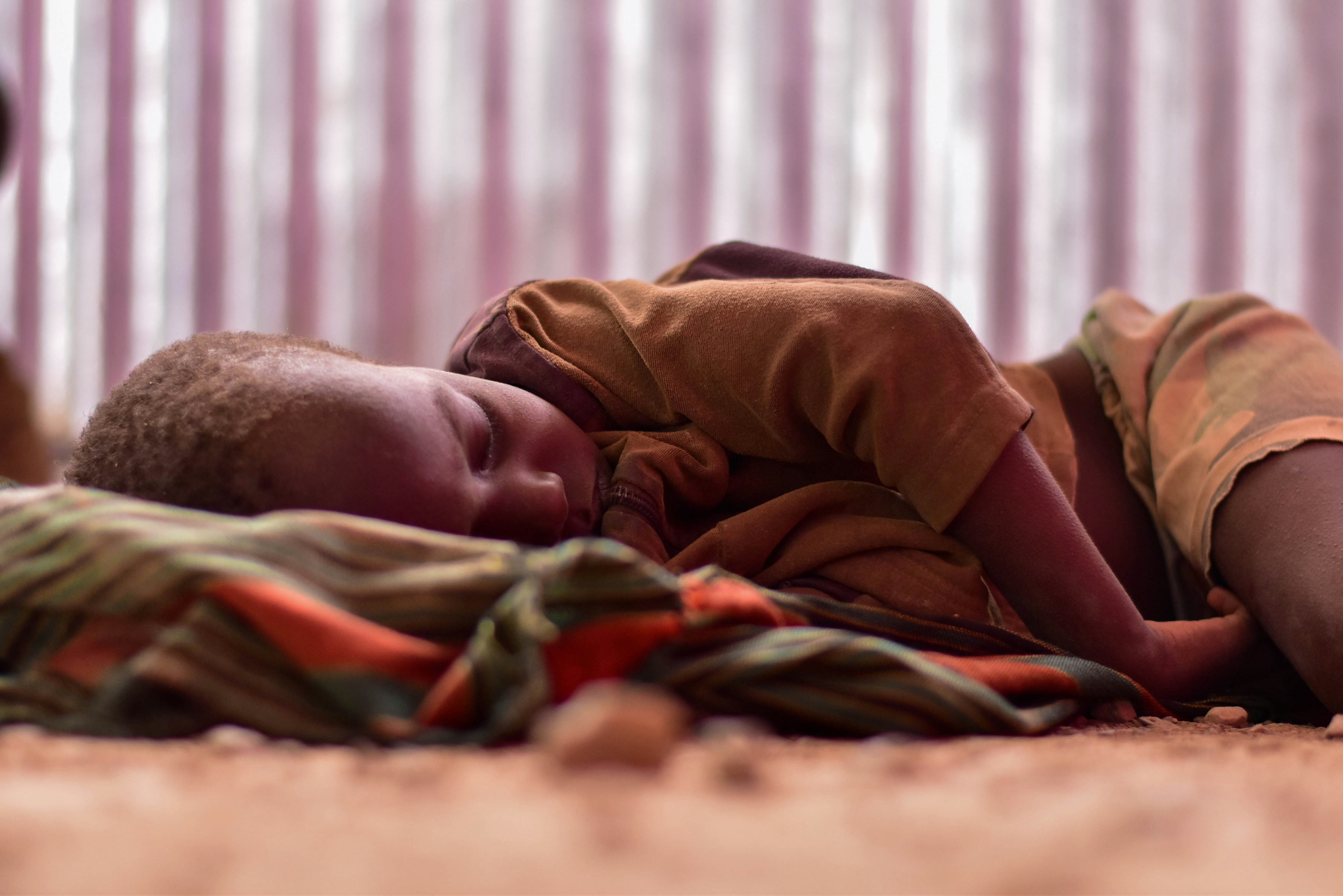
X-Raying the Dual Tragedy of Maternal and Child Mortality in Nigeria
Introduction
Despite decades of intervention in Nigeria, maternal and child health issues remain critical public health challenges, making the country to be ranked among the highest globally for maternal mortality and under-five deaths.
Nigeria's maternal mortality rate is a significant global concern, accounting for 20% of all maternal deaths worldwide. The country's maternal mortality ratio is estimated at 814 deaths per 100,000 live births, which is more than ten times greater than the Sustainable Development Goals target of 70 deaths per 100,000 live births.
The poor maternal and child mortality indices are indicative of poor population health and socio-economic development. The World Health Organization (WHO) defined Maternal death as the demise of a woman during pregnancy or within 42 days of terminating a pregnancy from any cause related to the pregnancy or its management4. Child mortality is the death of a child under five years of age.
Globally, many women die yearly, from complications related to pregnancy, childbearing, and postnatal, with low-and middle-income countries (LMICs) carrying the heaviest burden of maternal mortality6. More worrisome is the fact that maternal mortality is to some extent preventable. Moreover, maternal and infant mortality rates are social indicators used to measure the development of any country, and the high maternal and child mortality indices for Nigeria is unacceptable and is of great concern.
Many healthcare facilities i Nigeria lack the basic equipment, supplies and trained personnel, making it difficult to provide a quality service. Nigeria's federal government currently spends only 5% of its budget on health well short of the 15% target that the country committed to in a 2001 African Union treaty. In 2021, there were 121,000 midwives for a population of 218 million and less than half of all births were overseen by a skilled health worker. It is estimated that the country needs 700,000 more nurses and midwives to meet the World Health Organization's recommended ratio.
Over the past several years, global infant and under-five mortality rates have decreased significantly, with advanced economies experiencing single-digit mortality rates. However, Nigeria continues to grapple with rising infant mortality rates, which remain the highest in sub-Saharan Africa8. Infant Mortality Rate (IMR): for Nigeria is around 67 deaths per 1,000 live births; while under-5 Mortality Rate is 117 deaths per 1,000 live births. The IMR is about five times higher than the SDG target of 12 deaths per 1,000 live births ; while the under-five mortality ratio is also about five times higher than the SDG target of 25 deaths per 1000 live births.
Determinants of Maternal Mortality in Nigeria
Maternal mortality refers to any loss of a woman’s life resulting from pregnancy related complication or death within 42 days after childbirth, notwithstanding the period or site of the pregnancy, that could emanate from issues linked to or escalated by the management of the pregnancy but not from accident or incidental factors.
In Nigeria, over the past decade only about 39% of births are attended by skilled healthcare personnel. Apart from the medical conditions there are also some contributory factors including but not limited to social, economic and cultural factors that have a direct influence on the scourge of maternal mortality in Nigeria. Other non-medical precipitating factors that under-pin maternal mortality especially in most rural areas within Nigeria, range from poverty, low level of education or absence of it, food taboos, and harmful cultural beliefs and practices.
The classical Three Delays Model, developed by Thaddeus and Maine in 1994, has been implicated in the maternal mortality scourge in low and middle -income countries (LMICS) particularly as it pertains to Sub-Saharan Africa. This etiologic framework of maternal mortality has been used to describe the barriers to maternal healthcare and the causes of maternal mortality in LMICS. The model highlights three sequential delays that can directly affect the survival of mothers and newborns as follows:
Delay in the decision to seek care (First Delay)
The first delay occurs when a woman or her family fails to recognize the severity of pregnancy complications or hesitates to seek medical attention. The contributing factors include low socio-economic status, lack of knowledge about danger signs, cultural beliefs, perceived costs, and previous negative experiences with healthcare services.
Delay in reaching a healthcare facility (Second Delay)
The second delay involves challenges in physically accessing care. The identified factors include long distances to health facilities, poor road conditions, lack of transportation, and financial constraints related to travel. The distribution and availability of health facilities in the community also play a significant role.
Delay in receiving adequate care at the facility (Third Delay)
This is a health system-related delay that occurs at a facility. The delays can occur due to insufficient medical supplies, poorly trained staff, inadequate monitoring, substandard care, or disrespectful treatment. These facility-level issues can prevent timely and effective management of obstetric emergencies.
Moreover, within the Nigerian context, the cultural/religious practice of early marriage especially in the Northern region of Nigeria, the introduction of user charges in most state and federal owned hospitals, high population of women, especially in the rural areas, the high patronage of faith-based maternity homes or clinics and traditional practitioners as preferred delivery facilities, have also contributed to the high maternal mortality indices recorded in the country.
Determinants of Child mortality in Nigeria
The etiologic model of child mortality in Sub-Saharan Africa (SSA) is influenced by several key factors that can be best explained by the web of causation disease model. The web of causation conceptual framework is used in epidemiology to comprehend the complex interplay of multiple factors contributing to health outcomes. It emphasizes that diseases are rarely caused by a single factor but rather by a nexus of interconnected causes, including biological, environmental, and social determinants.
The prevalent health problems affecting children in Nigeria are majorly malaria, malnutrition, and respiratory infections. Malaria ranks highest among childhood killer diseases, followed by malnutrition, which is also quite prevalent among Nigerian children and has severe implications on the growth and development of children in Nigeria.
Factors contributing to this problem include: (a) Poverty- the lack of financial resources hinders access to nutritious food. (b) Food insecurity- predicated by inadequate access to food due to various economic and social reasons. (c) Poor maternal nutrition especially during pregnancy can be a major determinant of the health of their offspring, who are born with low birth weight thereby being more predisposed to childhood morbidities; such as stunted growth, cognitive impairment, weak immune system, delayed milestones and long-term physical and mental consequences.
Other factors affecting children’s health is unsafe water and poor sanitation: Contaminated water leads to diseases such as diarrhoea that affects the absorption of the much-needed nutrients for proper growth. Lack of knowledge by parents of the nutritional requirements for proper child growth can also impact the health of their children. High fertility rates among women have been found to contribute significantly to rising child mortality rates. Household Dynamic such as household structure (polygyny vs. monogyny) and the number of children in a household are associated with higher infant and under-five mortality rates.
Implications of the dual burdens of maternal and child mortality in Nigeria
The alarming statistic highlights the urgent need for improved maternal health services and policies to address the high rates of maternal mortality in Nigeria. The dual burden of maternal and child mortality in Nigeria has significant implications for the country’s health system and human capital development. It is a reflection not only of the poor health status and overall well-being of the population but also the inability of the health systems to effectively address these protracted public health challenges that has plagued the county for decades. The high rates of maternal and child mortality is a critical indicator of a country's development and can have detrimental effects on its socio-economic development . Any preventable maternal death that occurs translates to more orphaned children whose normal psychosocial development is put at risk. High child mortality rates are also indicative of a country that is losing prematurely its future crop of workforce.
Suggested way forward
Despite progress over the decades, most primary health care facilities across the country are still not adequately equipped to meet the health care needs of community members; additionally, health services are increasingly becoming unaffordable for many. As a result, women and children, especially in vulnerable areas are dying preventable deaths.
Building on lessons from past safe motherhood and child survival initiatives, the government launched a bold plan to crash maternal and child mortality. As part of this effort, the World Bank and the Global Financing Facility (GFF), provided Nigeria with a cofinance support of $570 million to strengthen primary health care and expand critical services to women, children and adolescents This project is intended to transform primary health care and reach 40 million vulnerable people, particularly women and children in underserved communities.
The efforts have resulted in a significant increase in safe deliveries, with deliveries jumping from 22% to 68% and the number of children immunized each year tripling to reach one million. These improvements are part of a broader national effort to enhance maternal and child health services and address the underlying causes of these high mortality rates.
In addition to the bold initiative taken by the government to address the maternal and child mortality crisis in Nigeria, Other solutions proffered to address this dual tragedy of maternal and child mortality include: (a) the provision of access to health services such as access to prenatal care, skilled health personnel, and immunization vaccines are critical for reducing child mortality. (b) Nutrition and Economic Growth- which includes Improvements in nutrition and economic empowerment to address poverty.
it is therefore recommended that the following measures should be prioritized:
In conclusion, the Sustainable Development Goals (SDGs), an effort by the United Nations to improve global health outcomes and overall quality of life of the peoples has set as part of its major tasks the improvement of the health of pregnant and nursing mothers (maternal health) and reducing maternal and child death by 2030.
While improvements in educational attainment for females, immunization vaccines, nutrition, and economic growth are critical for reducing child mortality in Nigeria (x1) Infrastructural enhancement and access to safe drinking water and basic sanitation is crucial, as these factors significantly impact child survival rates. These factors collectively highlight the complex interplay of social, economic, and health-related determinants that contribute to child mortality in Nigeria. Therefore, the holistic approach to addressing the critical health care needs of mothers and their children is crucial to ensure their overall well-being.
Share This News